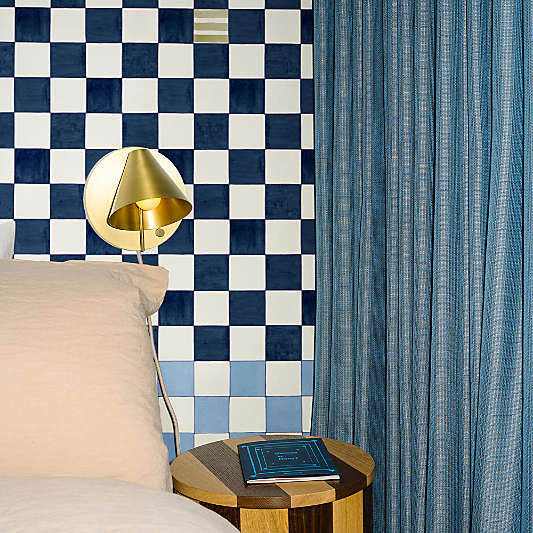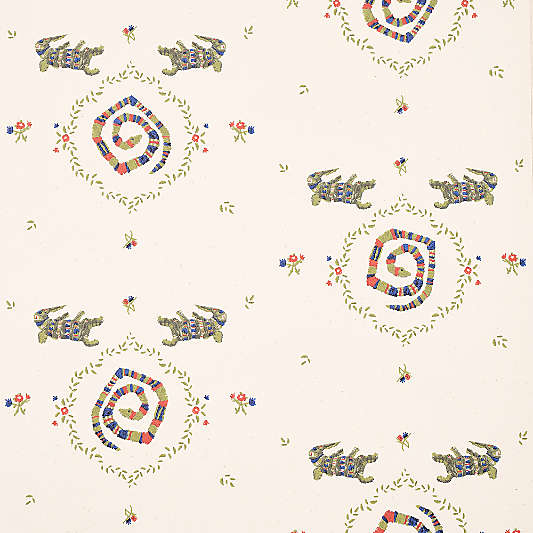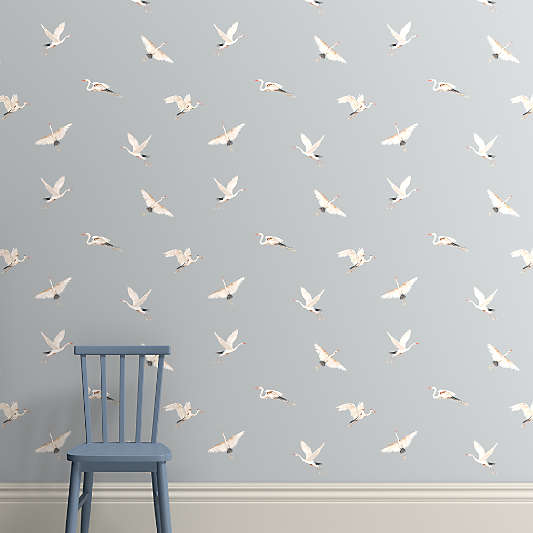
2 min read


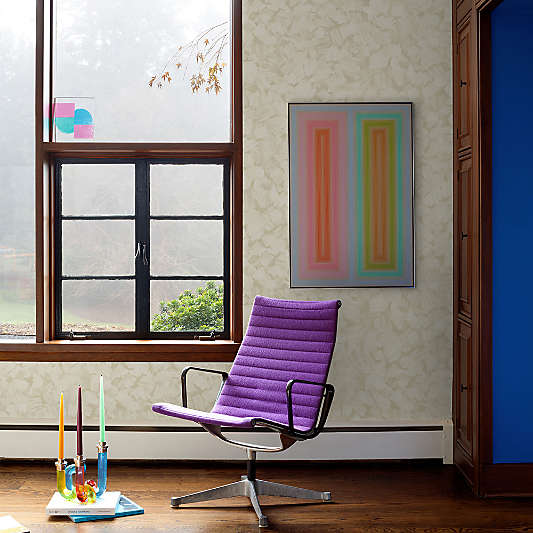
Wallpaper is a beautiful way to set the tone for a nursery, playroom or kids bedroom. And because kids spaces are always evolving, it helps to think beyond prints & patterns. Material, durability, scale and installation all play a part in choosing wallpaper that works as your little one grows.
Choose a Material for Durability & Comfort
Material determines how a rug feels underfoot, how it holds up to daily life, and where it belongs in the home. Which material to choose really depends on your lifestyle needs and preference.
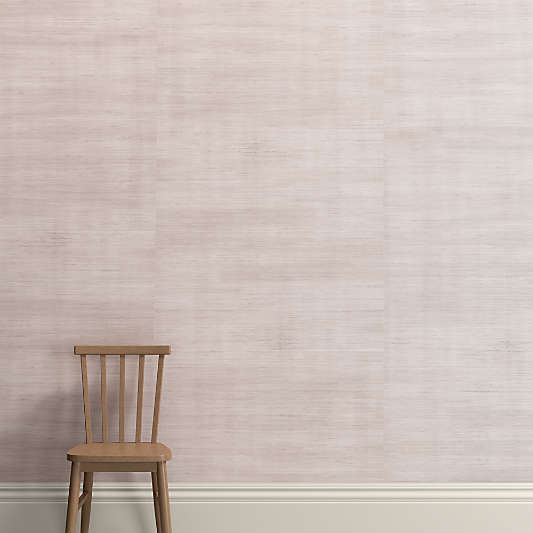
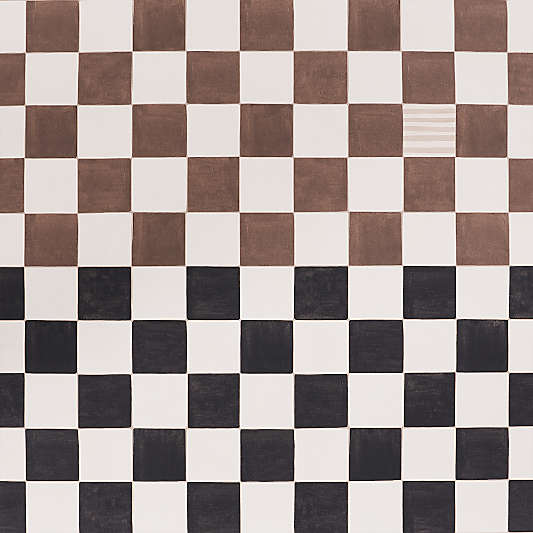
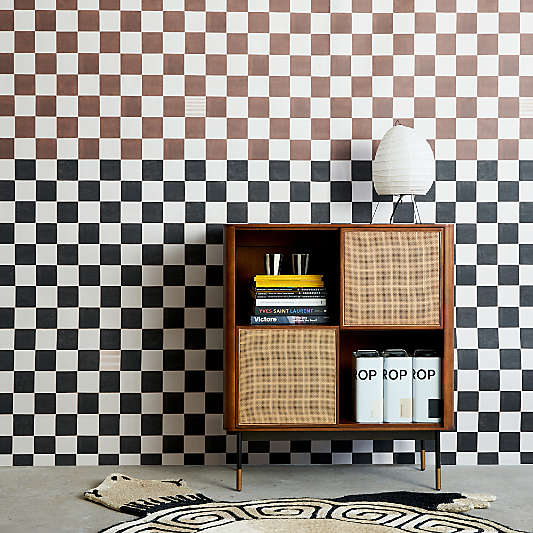
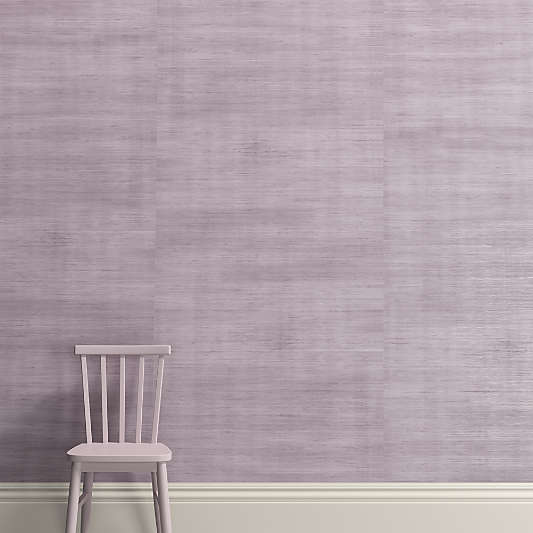
pasted wallpaper
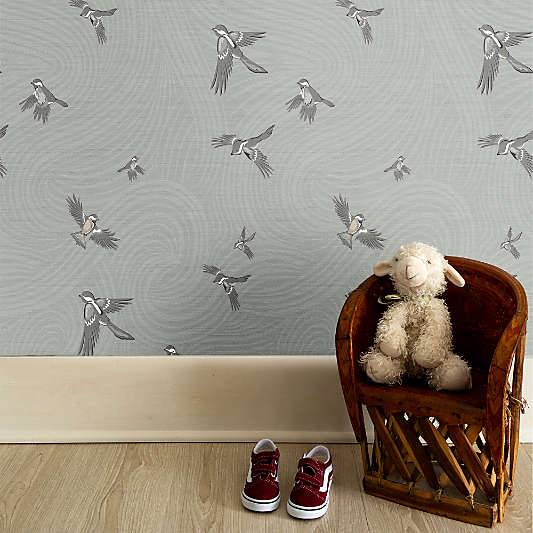
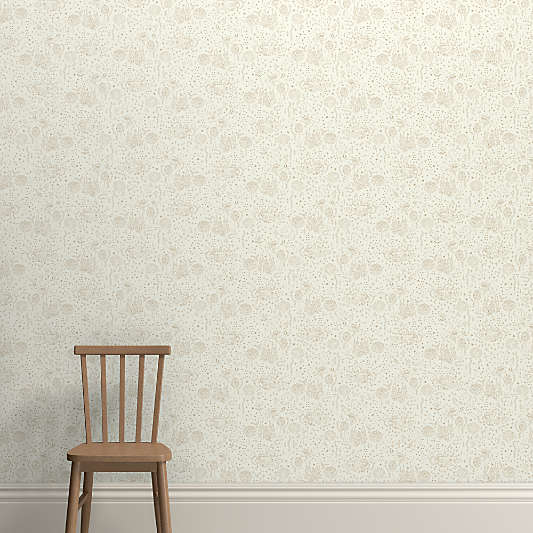
For a more permanent design choice, pasted wallpaper creates a polished finish that can stay with a room through multiple stages. It’s especially well suited to nurseries and bedrooms where you’re designing with longevity in mind.
When shopping for wallpaper for a nursery or kids room, be sure to review product information about materials, finishes and guidelines.
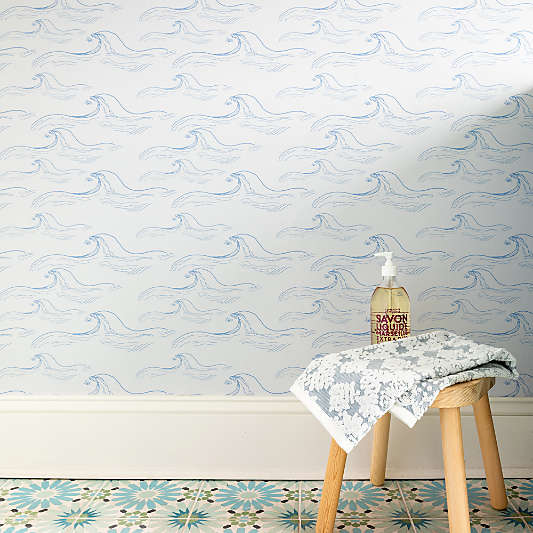
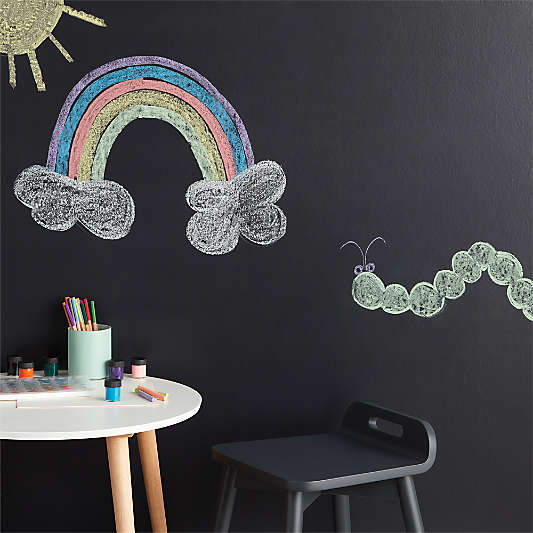
washable wallpaper
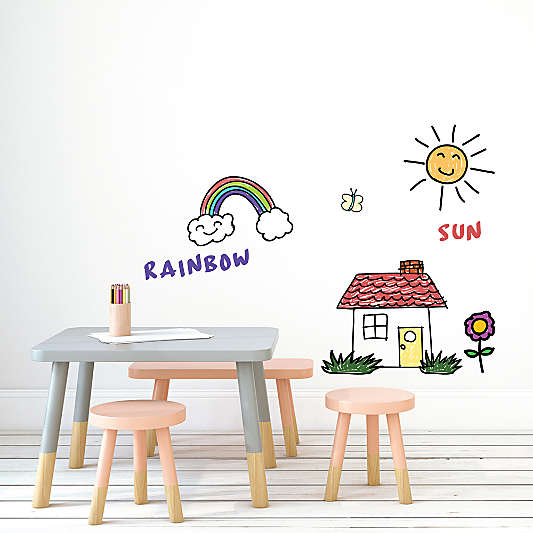
In playrooms, toddler rooms and other high-activity spaces, easy upkeep can make all the difference. If the wallpaper is labeled washable or wipeable, follow its specific care instructions when cleaning everyday smudges, like fingerprints.
For areas within easy reach of kids, consider durability as well as the design. A wallpaper that can stand up to regular cleaning can help keep the room looking fresh longer.
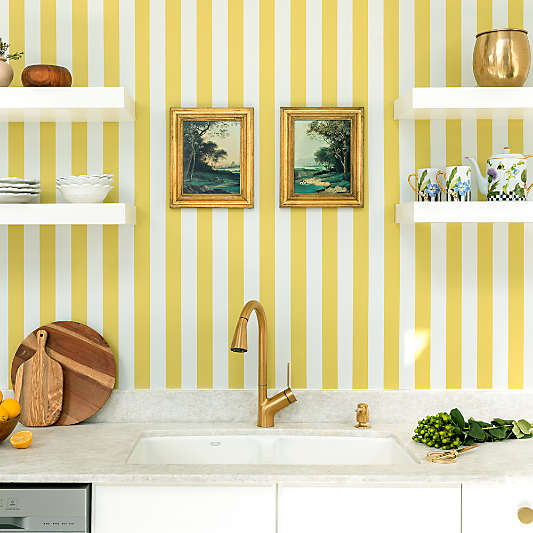
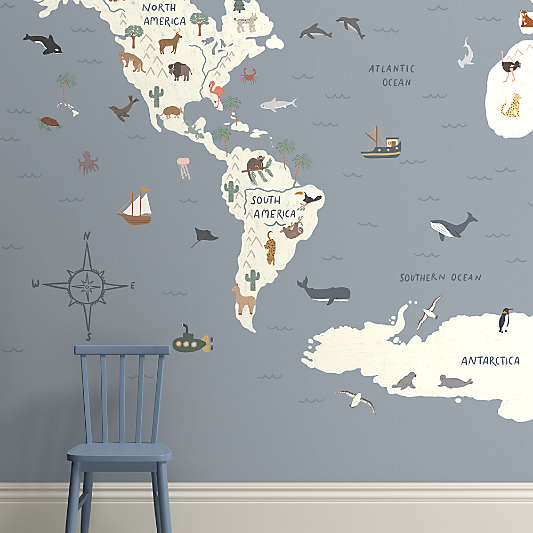
peel & stick wallpaper
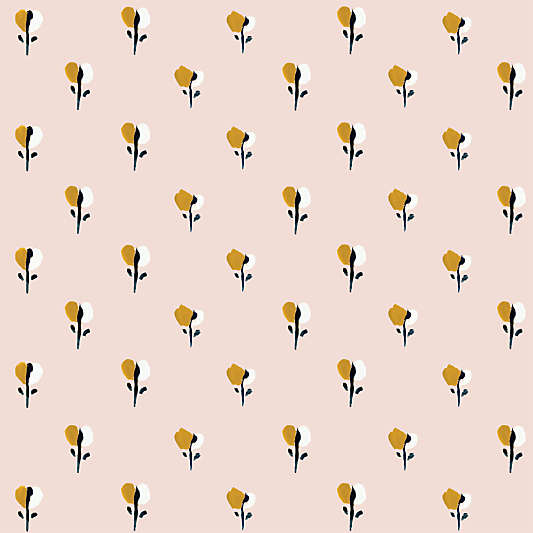
Peel-and-stick wallpaper makes it easier to change the room as your child grows. Its self-adhesive backing also makes it easier as a weekend DIY project, whether you’re covering an entire wall or adding pattern to a smaller space.
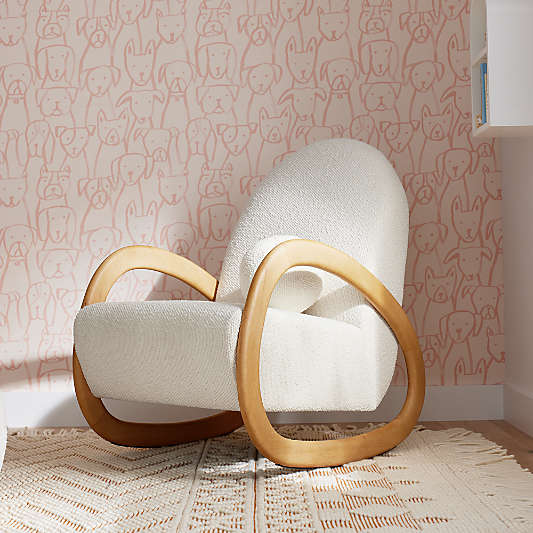
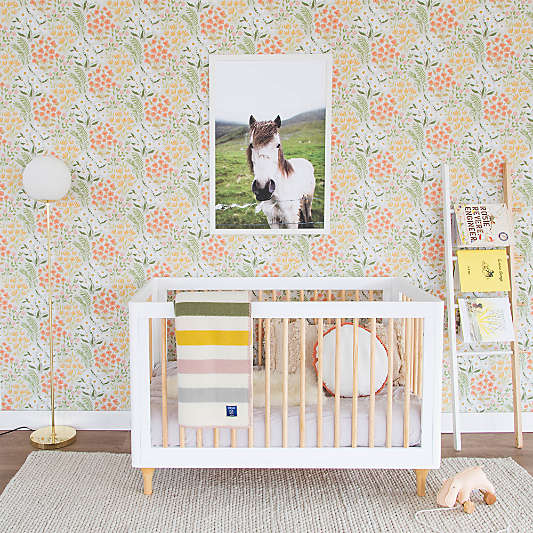
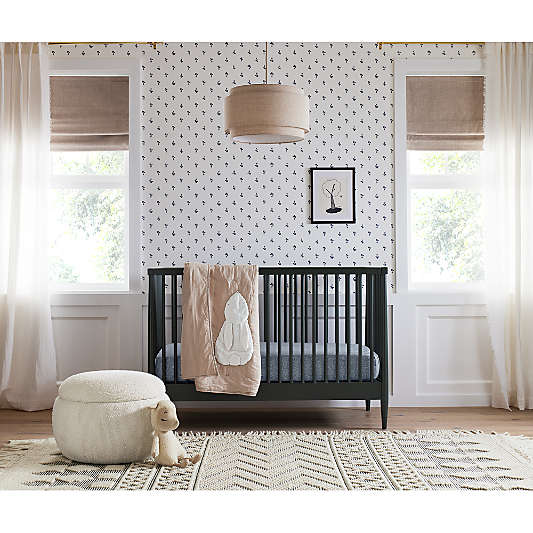
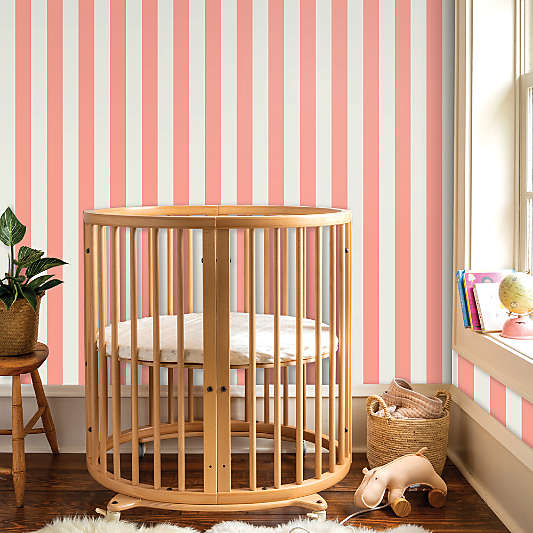
Try a sweet pattern behind the crib now, then switch it out for something new when the nursery becomes a big-kid room. Peel-and-stick wallpaper also works well for small play areas, closets and other smaller nooks where a little pattern can make a big impact.
-
How to Measure for Wallpaper in Kids Rooms & Nurseries
Start by measuring the height and width of every wall you plan to wallpaper. Multiply the two measurements to find the square footage, measuring each wall separately.
Before ordering, check the wallpaper specifications for roll or panel dimensions and pattern repeat. A little extra material gives you room for trimming and pattern matching, and can come in handy later in a busy kids space.
measuring accent & focal walls
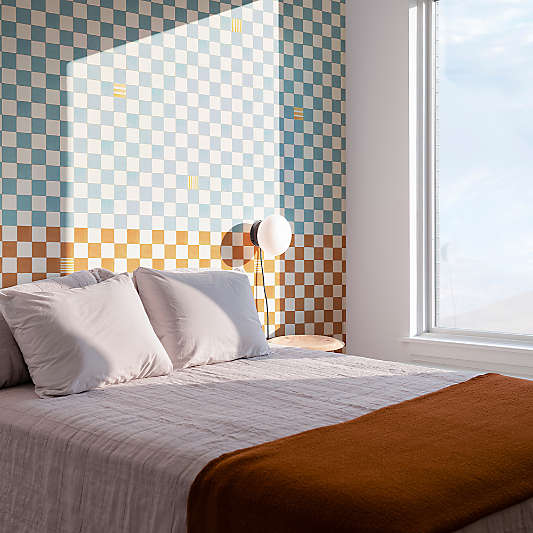
An accent wall is an easy way to give wallpaper a starring role without covering the entire room. Behind a crib, bunk bed or reading nook, it can also help visually define a zone.
Measure the full height and width of the wall, including areas behind furniture. If a crib will eventually make way for a bed, covering the entire wall keeps your options open.
navigating sloped ceilings, dormers & built-ins
Attic bedrooms, dormers, built-in shelving and sloped ceilings can give kids rooms plenty of character, and make measuring a little more involved.
Break an irregular wall into smaller rectangles and calculate each section separately, then add them together. For sloped ceilings and other angled areas, measure the widest and tallest points so you have enough wallpaper to cut each panel to fit.
For really complex spaces, a professional wallpaper installer can figure out how much material you’ll need before you order.
how to navigate pattern repeat
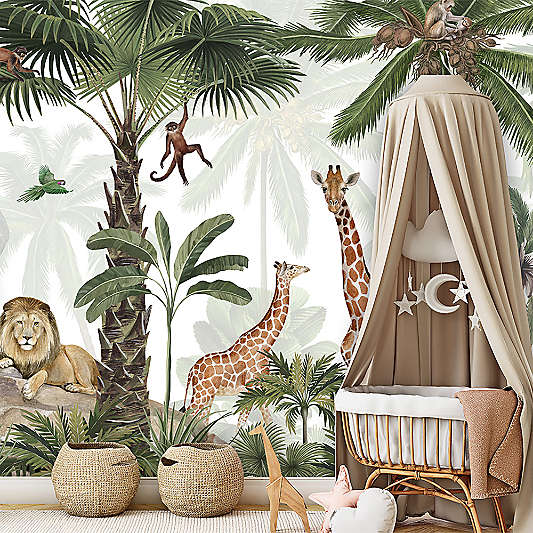
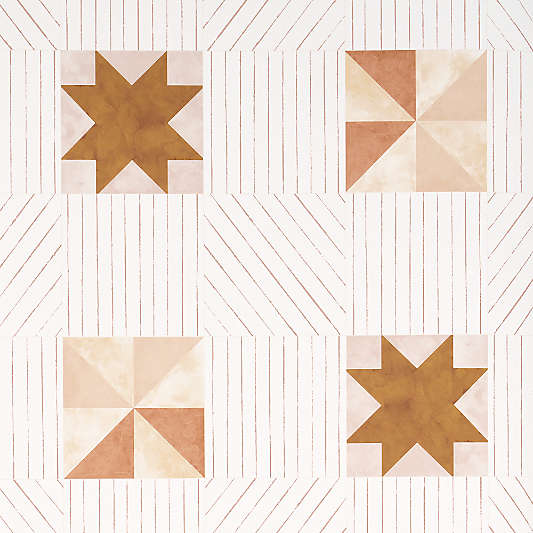
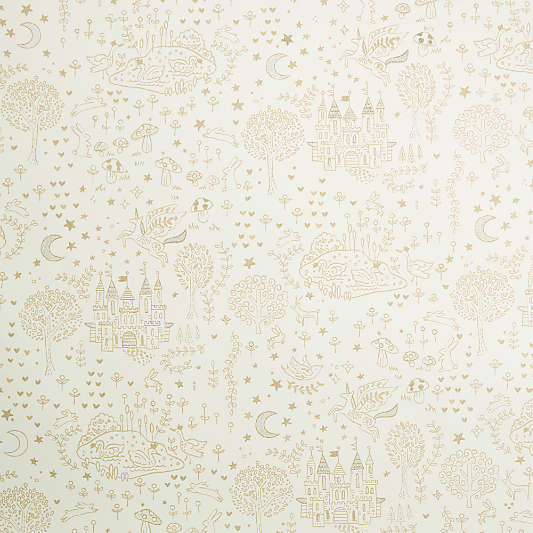
Stars, animals, botanicals and other playful themes often need to line up from one panel to the next. Pattern repeat tells you how frequently the design repeats and helps determine how much additional wallpaper you’ll need for a continuous look.
The larger the pattern or repeat, the more material you may need for matching. Check the pattern repeat and how it needs to align with the next panel before calculating your final quantity.
how much wallpaper do you need
Once you have your wall measurements, start with this simple calculation:
wall width × wall height = total square footage
For multiple walls, calculate each one and add the totals together. Then:
total wall square footage ÷ usable square footage per roll = number of rolls needed
Always round up to the next full roll and account for pattern repeat when determining your final quantity.
For a kids room, consider ordering an additional 15–20% beyond what you’ve calculated you need. The extra allows for trimming and pattern matching during installation, with spare wallpaper left over for future touch-ups or replacing a damaged section.
Try to order everything at the same time to help ensure consistency between rolls.
-
How to Style Kids Room Wallpaper
The best kids room wallpaper leaves room for the space to evolve with your kid. Think about what might stay and what might change in the future, then choose a pattern and palette that can provide the backdrop for more than one stage.
choose a pattern that can grow with them
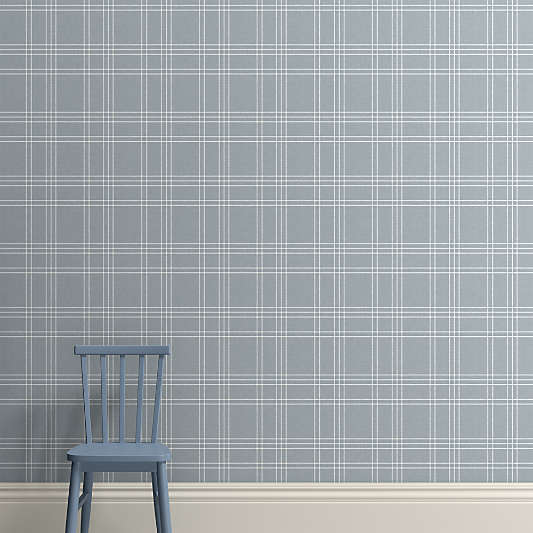
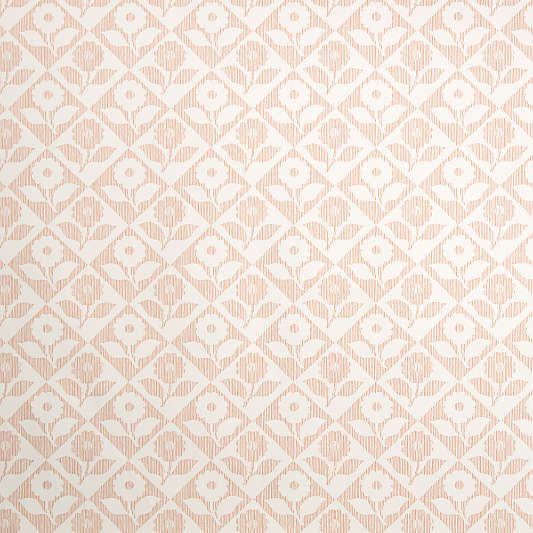
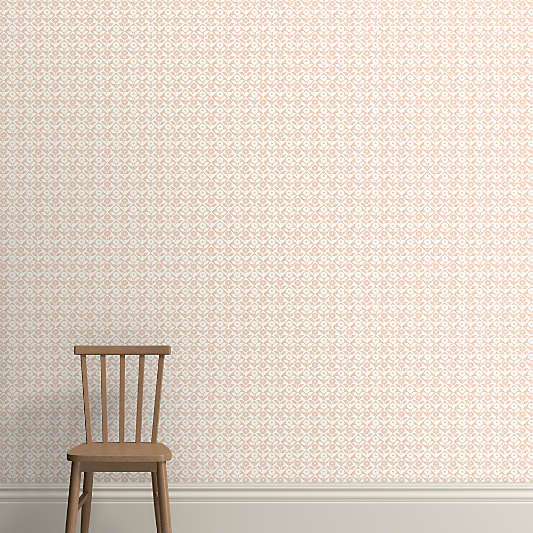
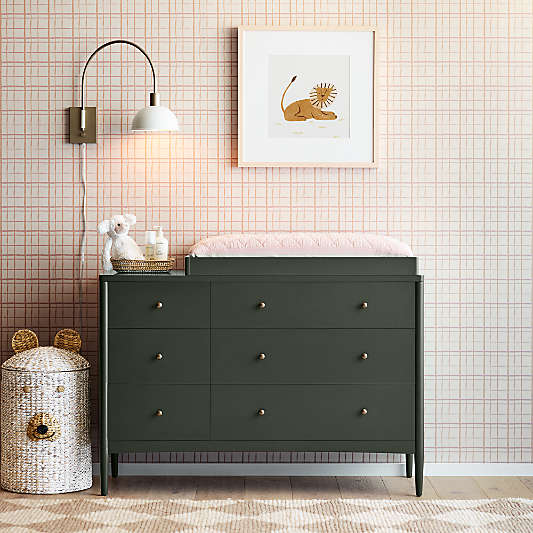
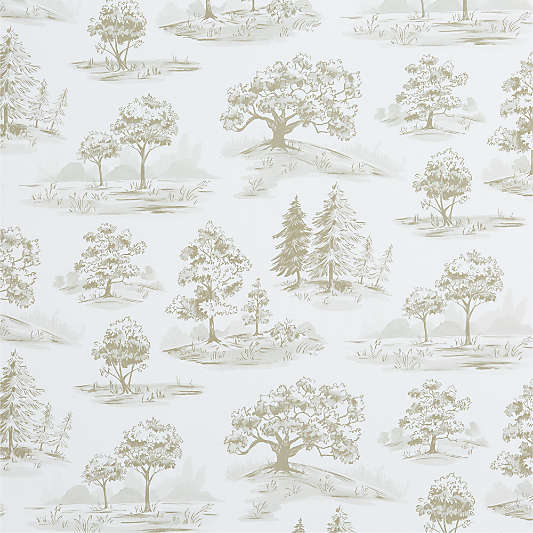
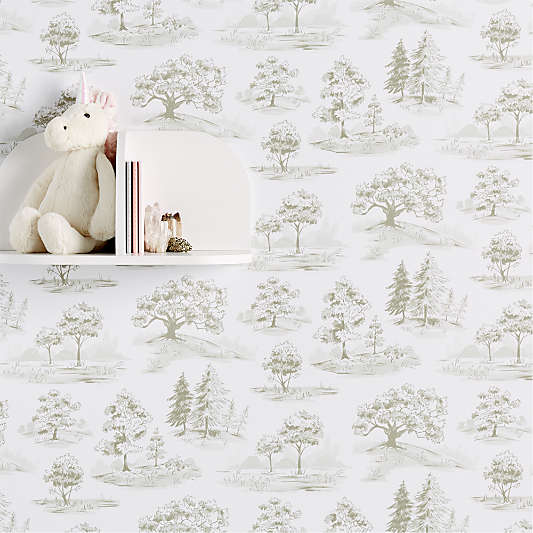
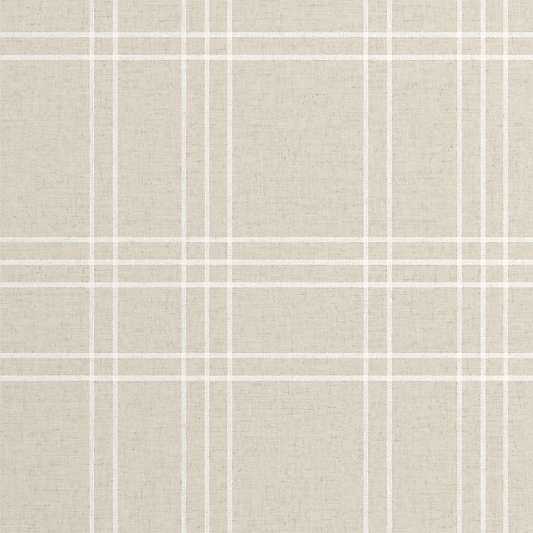
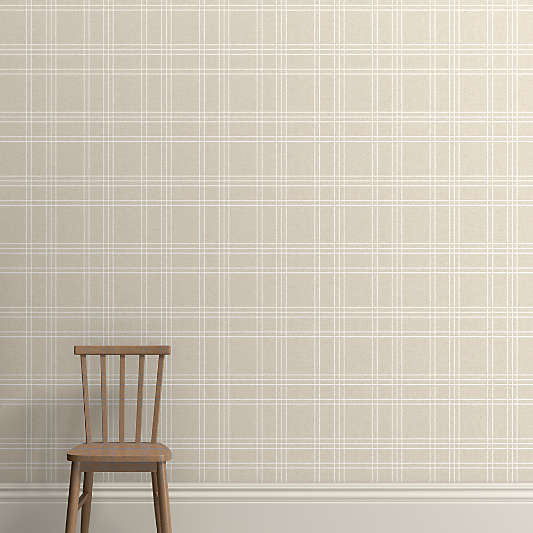
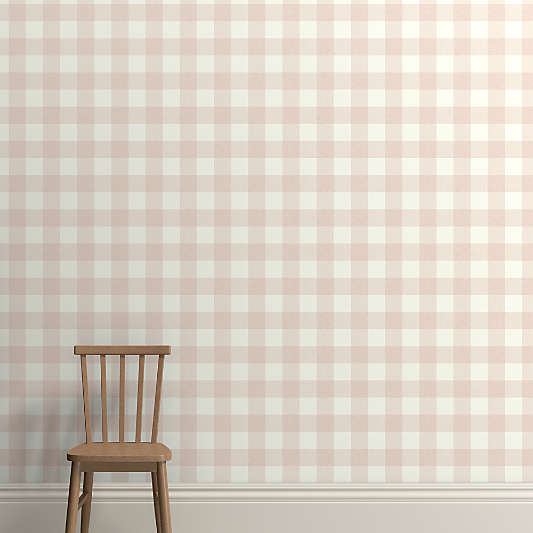
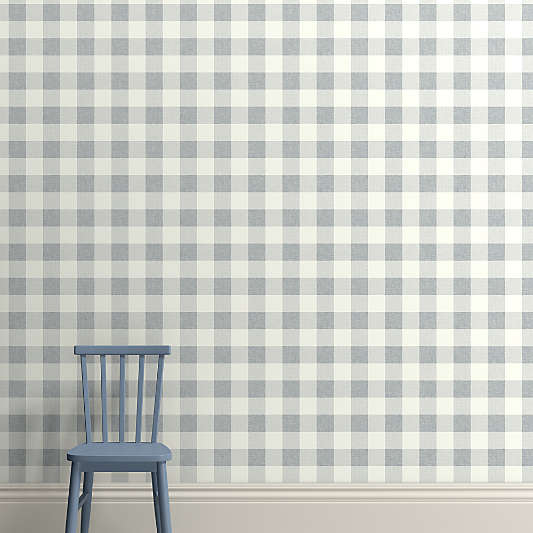
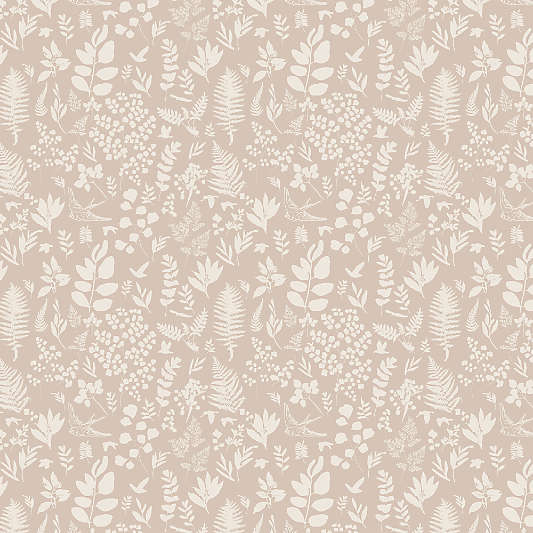
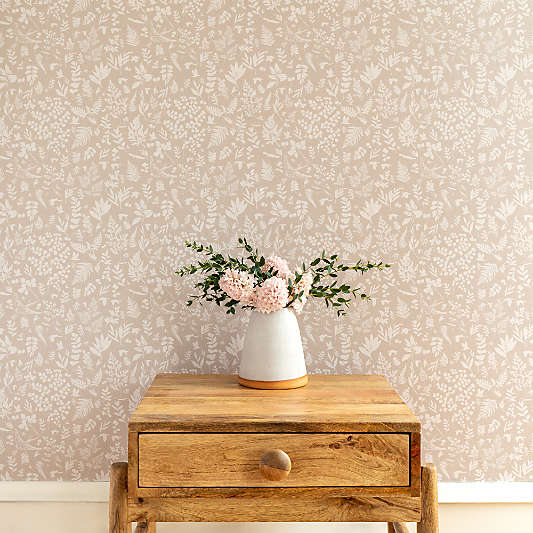
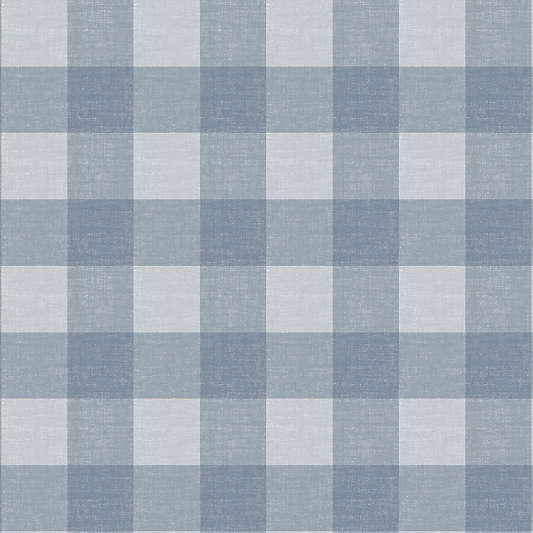
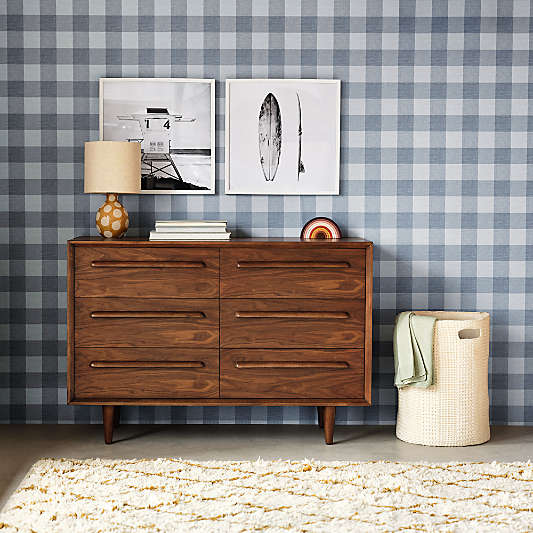
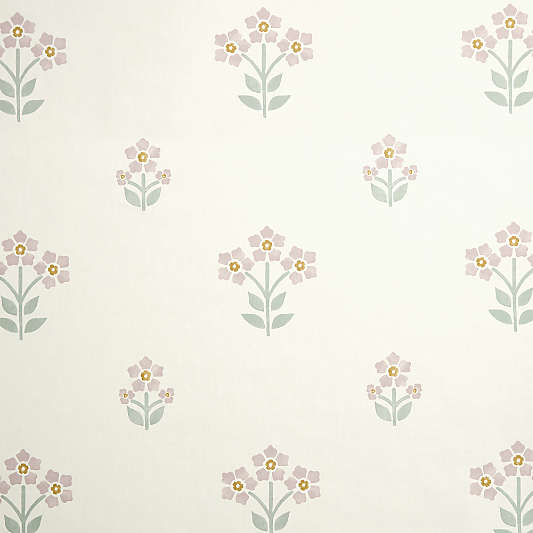
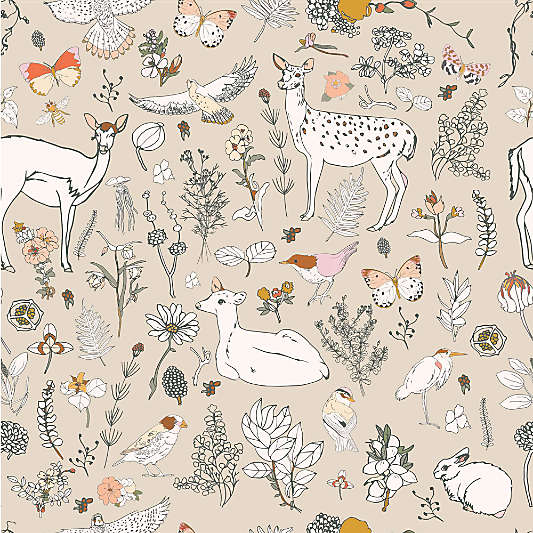
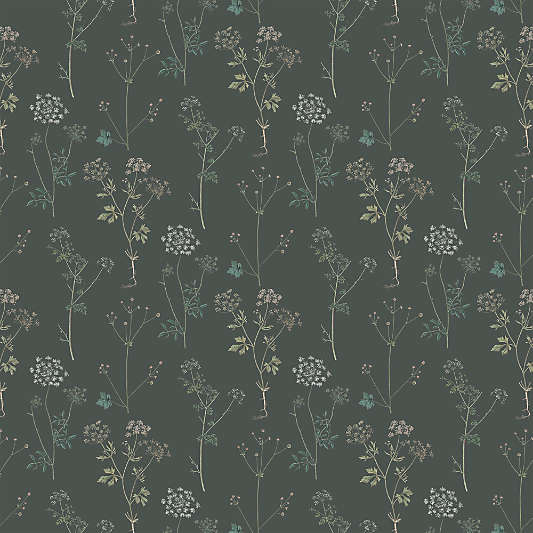
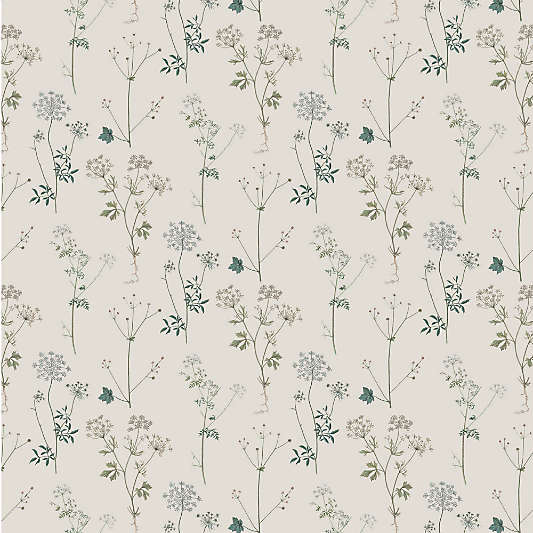
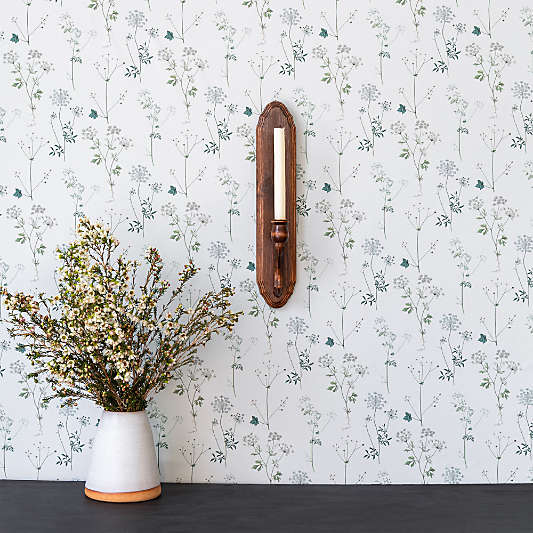
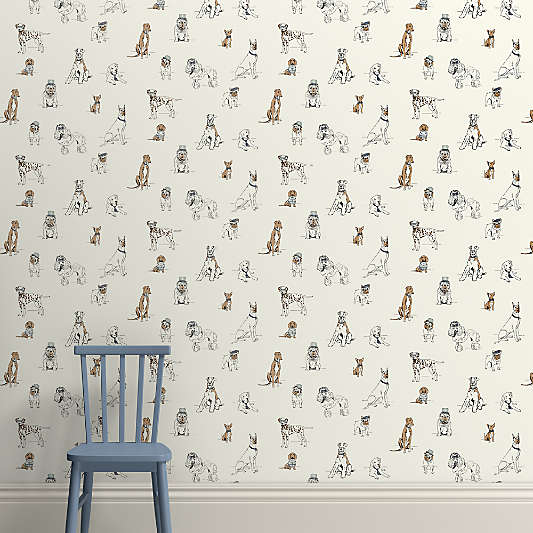
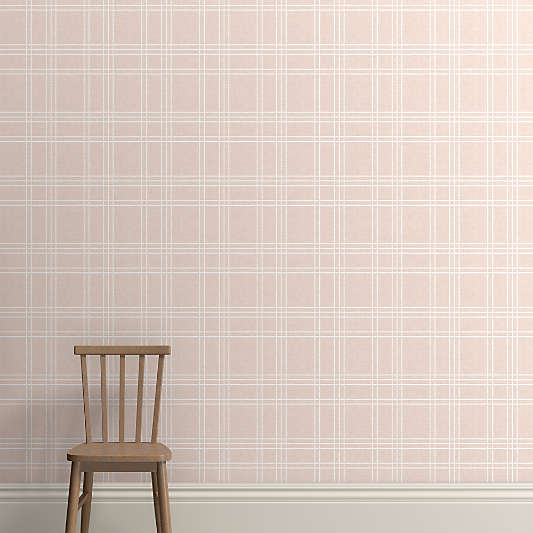
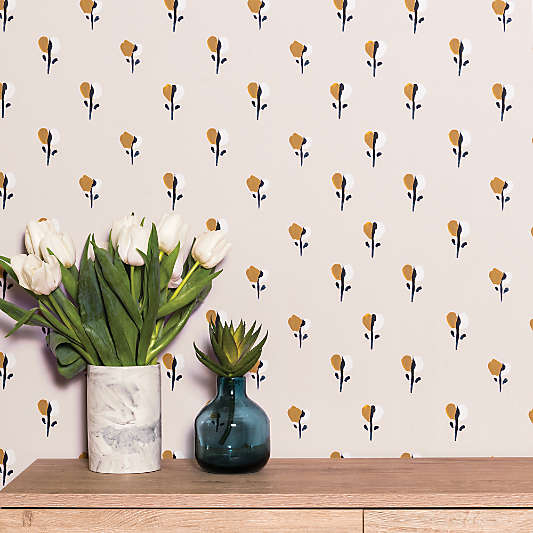
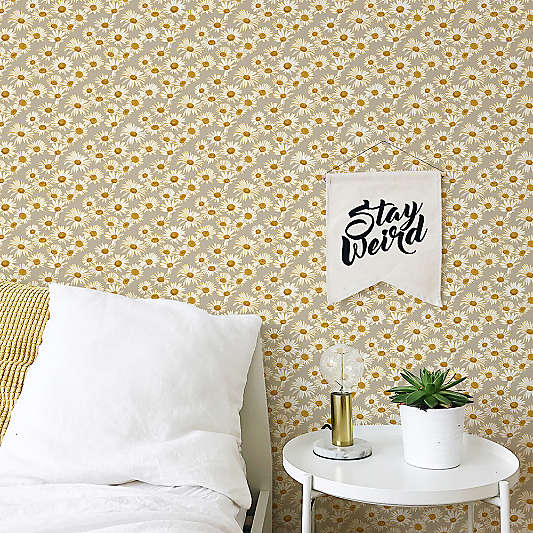
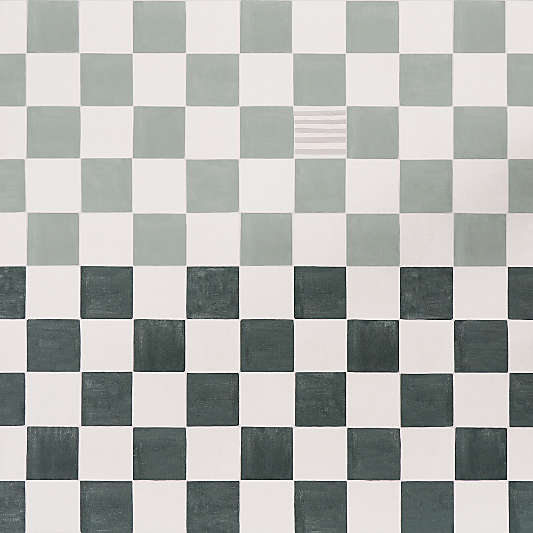
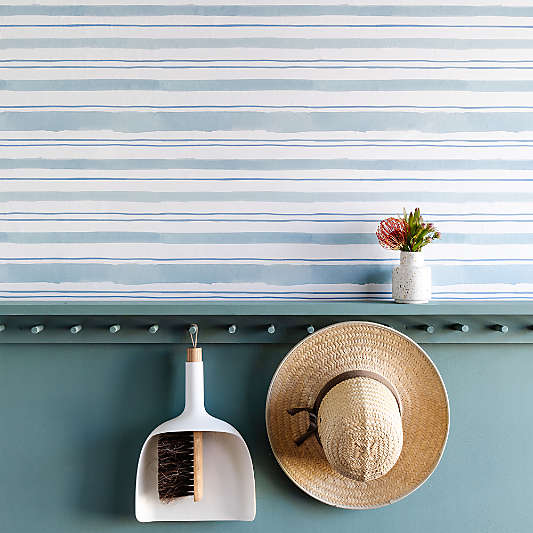
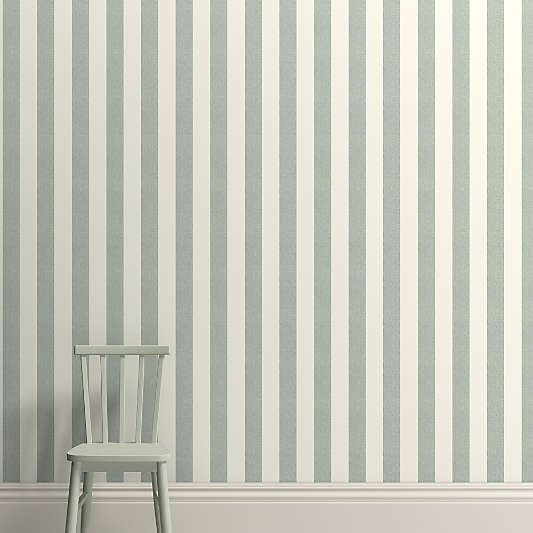
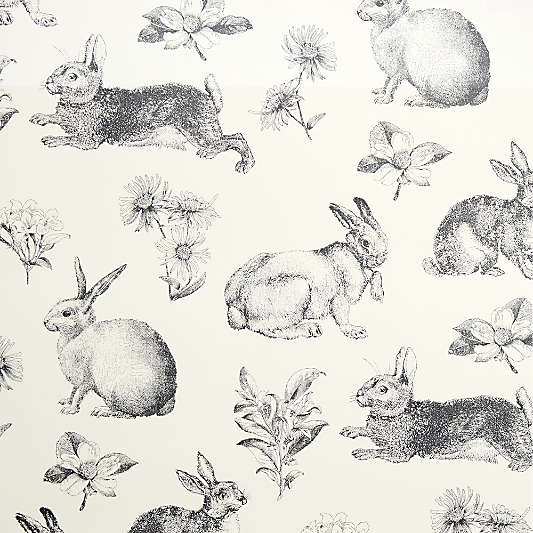
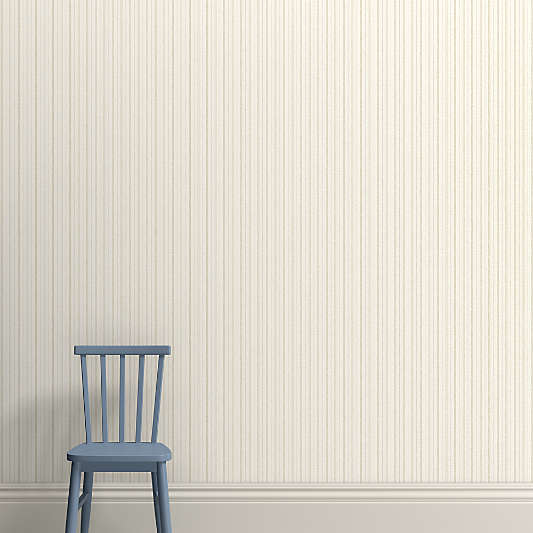
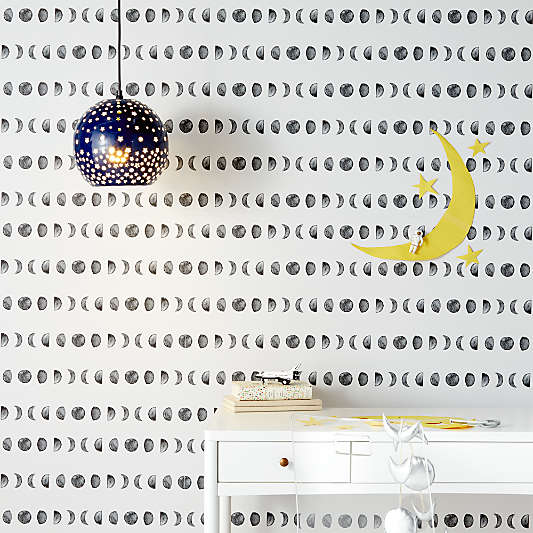
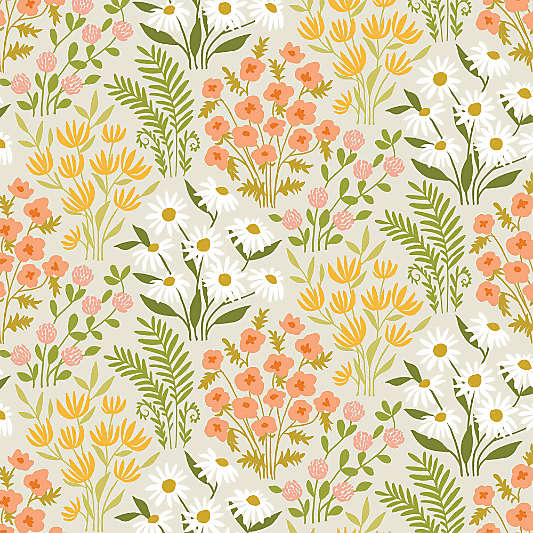
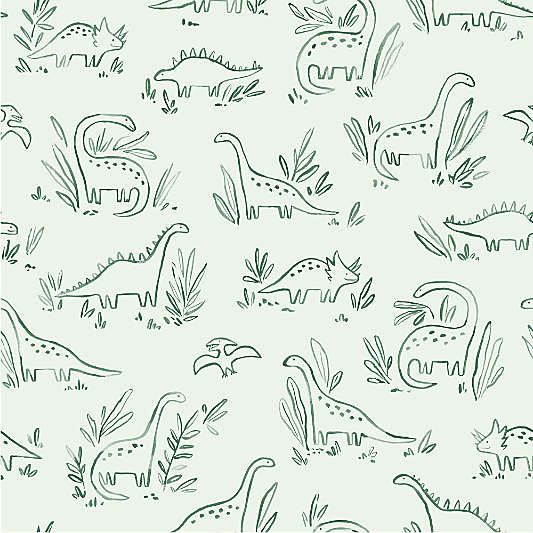
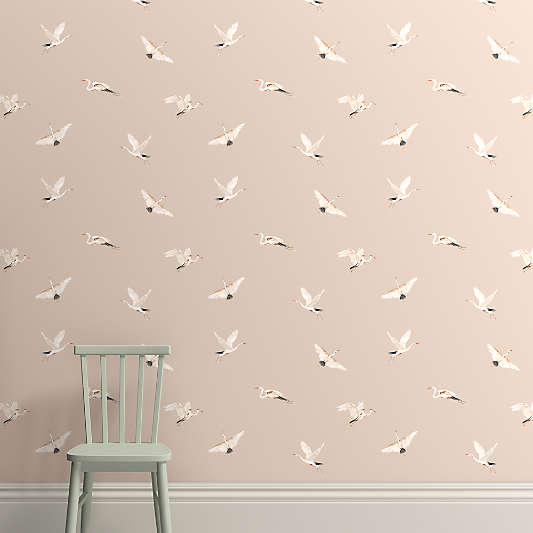
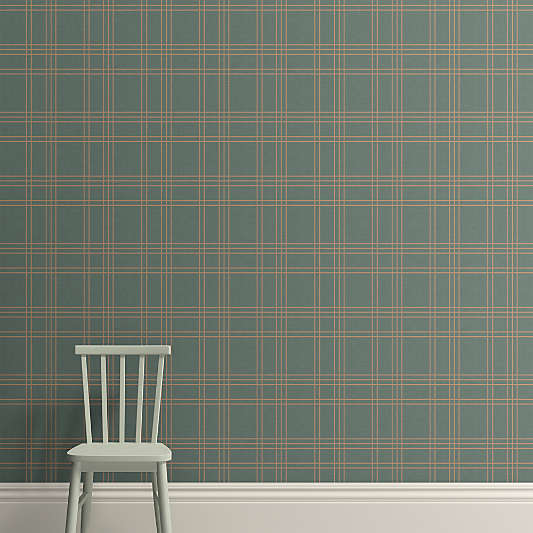
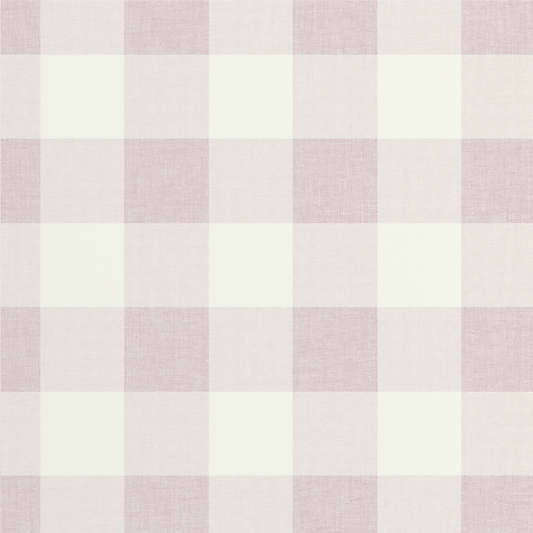
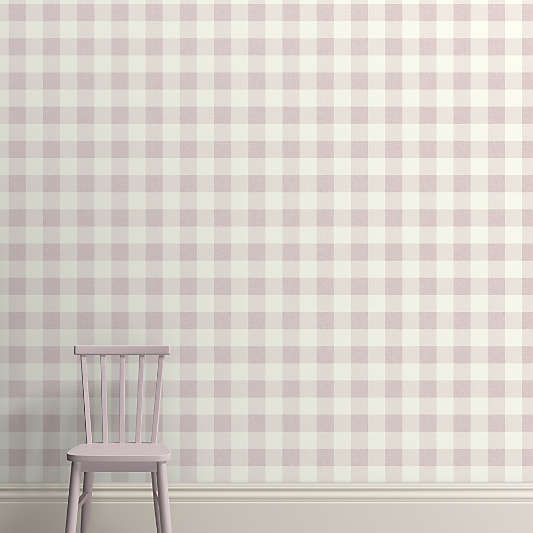
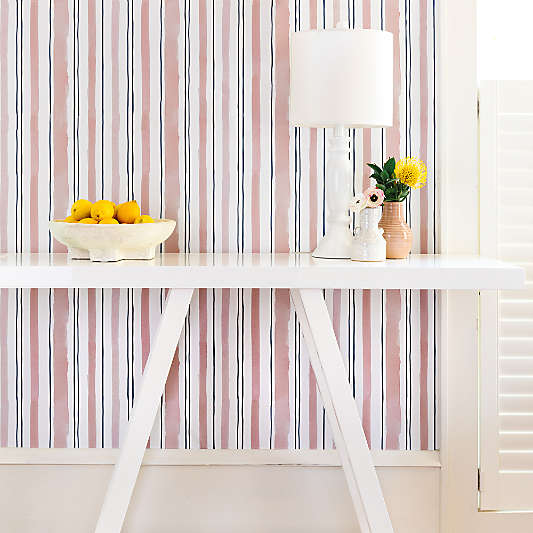
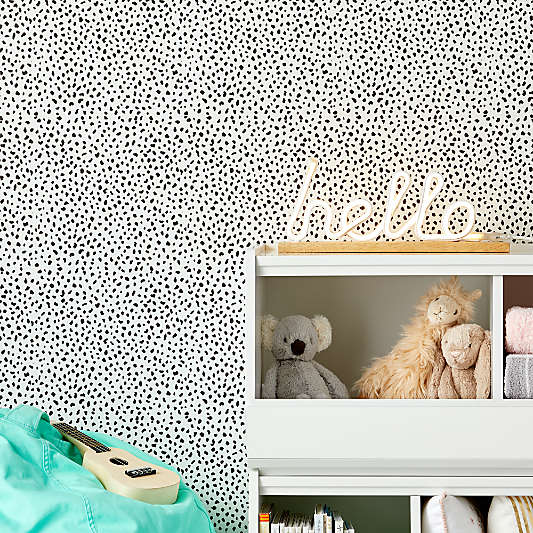
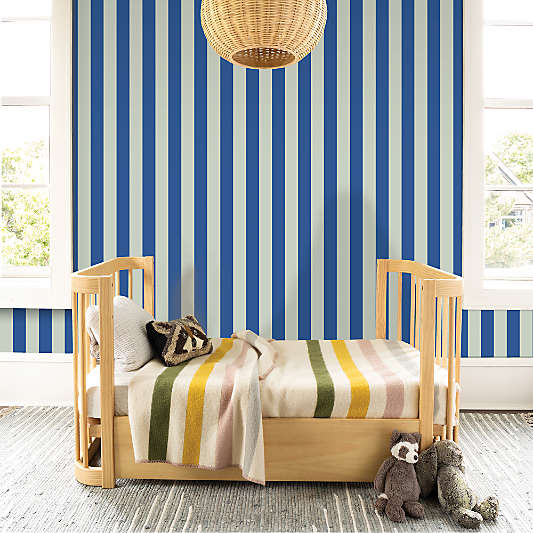
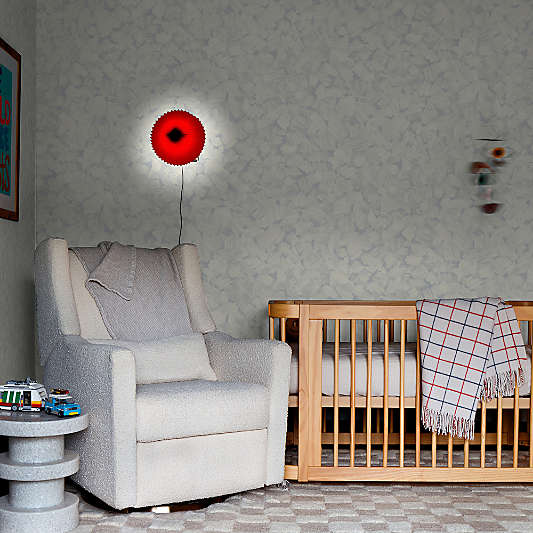
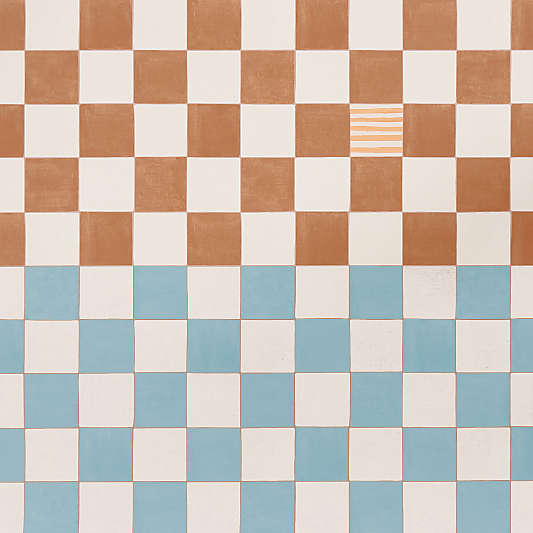
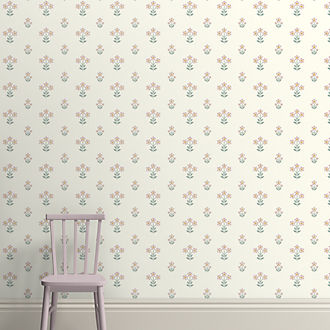
Nursery wallpaper doesn’t have to feel baby-specific. Botanicals, stripes, gingham, nature-inspired prints and other timeless patterns can feel just as at home in the nursery as they do in a kids room.
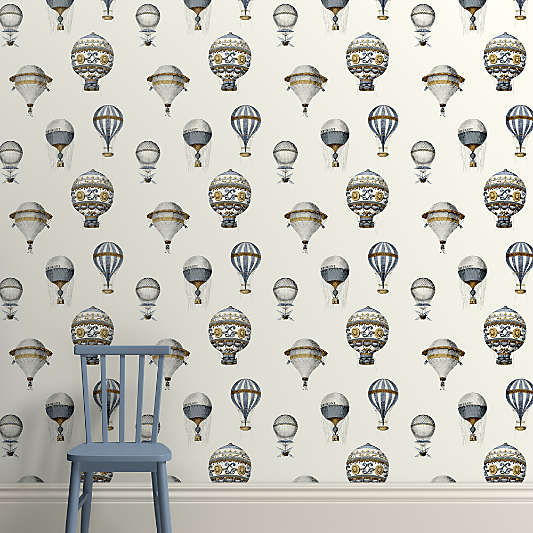
A pattern with a versatile palette can take on a different personality just by changing the bedding, rug and decor around it.
accent wall or full-room wallpaper?
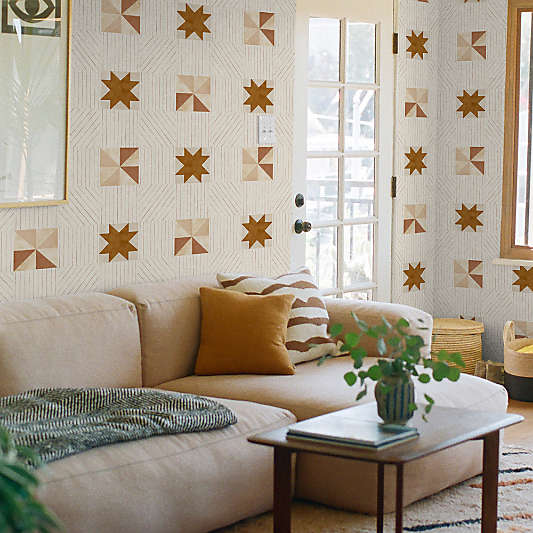
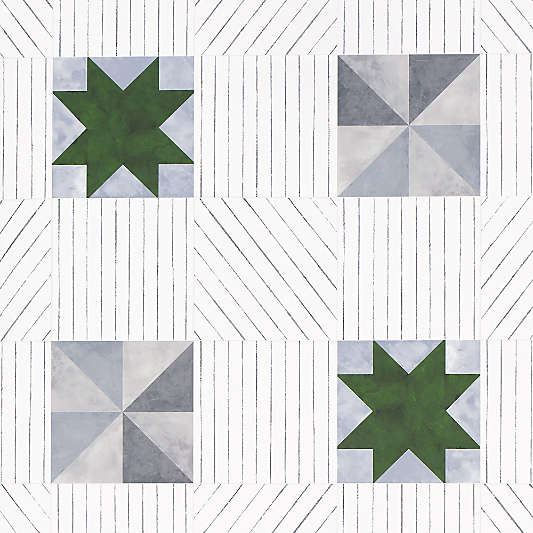
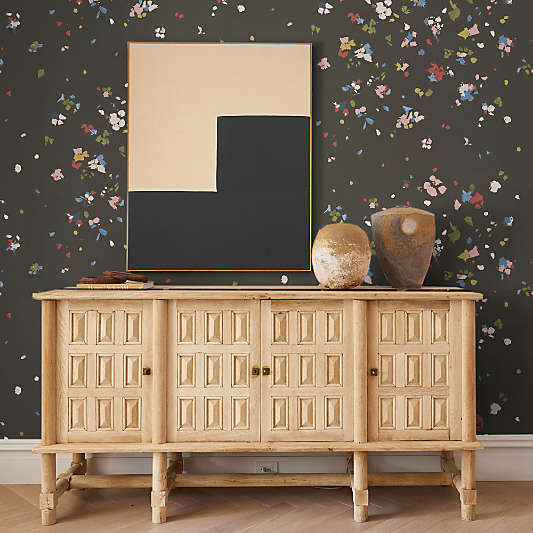
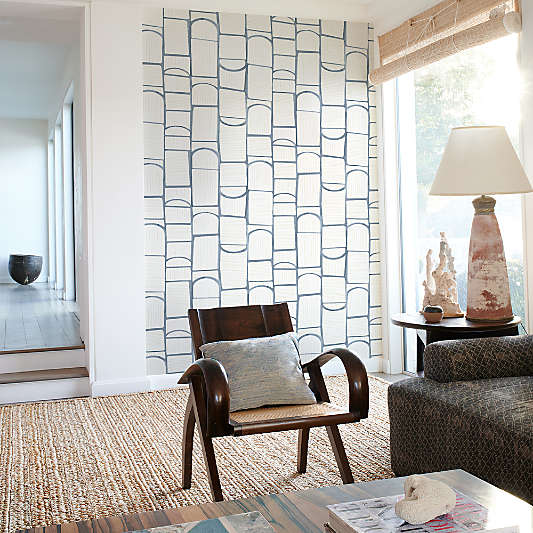
For a bold print or oversized pattern, an accent wall can give the pattern a focal point while leaving the rest of the room quieter.
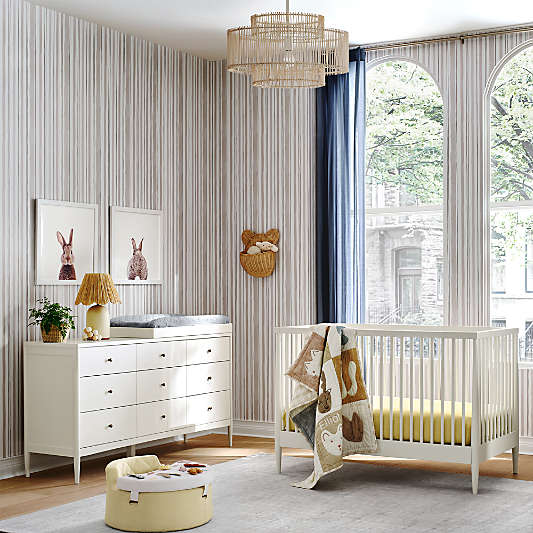
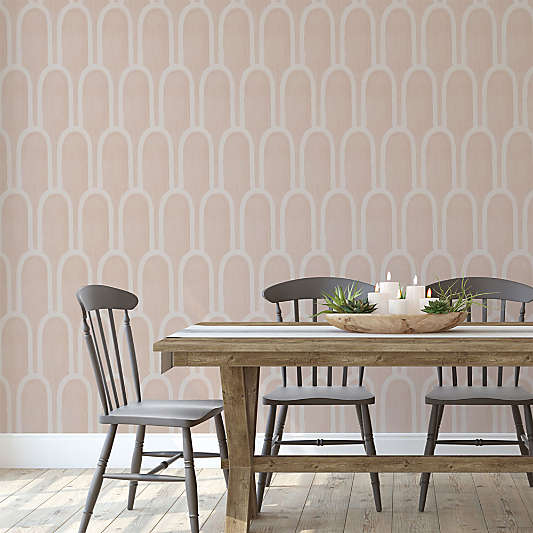
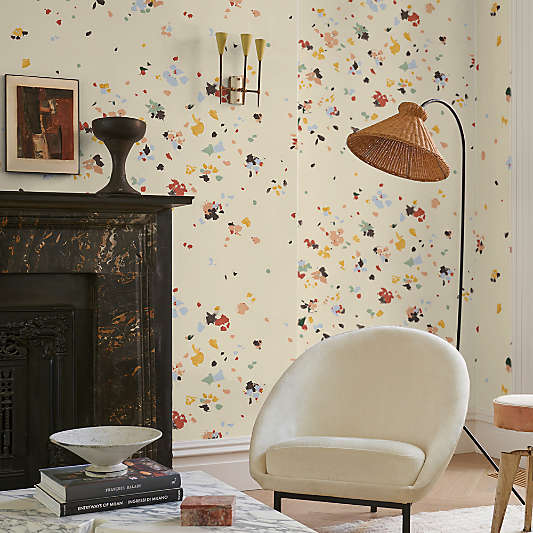
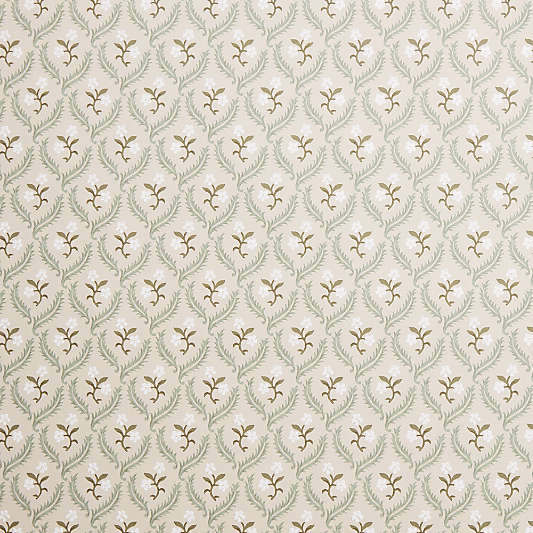
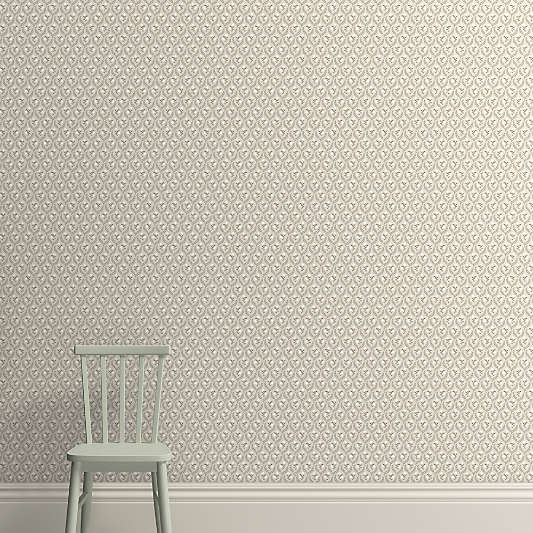
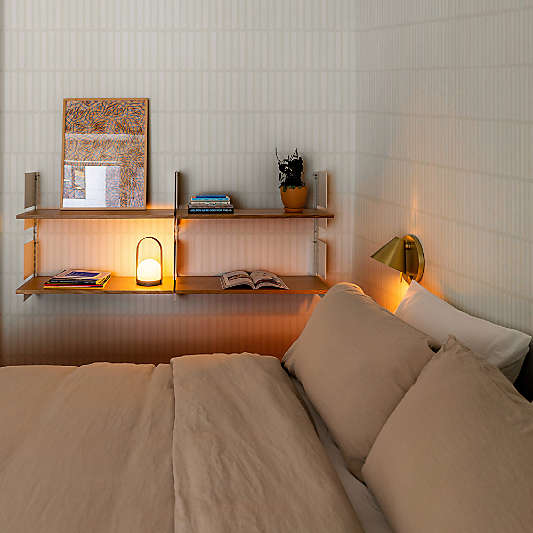
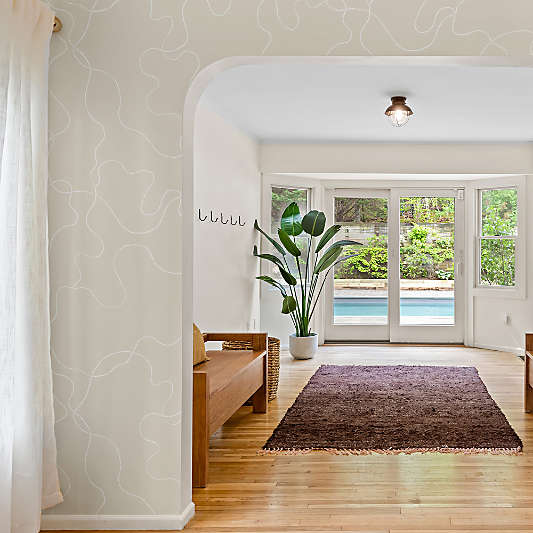
Wrapping the entire room creates a more immersive effect. For all four walls, consider subtler patterns, tonal designs or softer palettes that can act as a backdrop rather than compete with everything else in the space.
coordinate wallpaper with kids decor
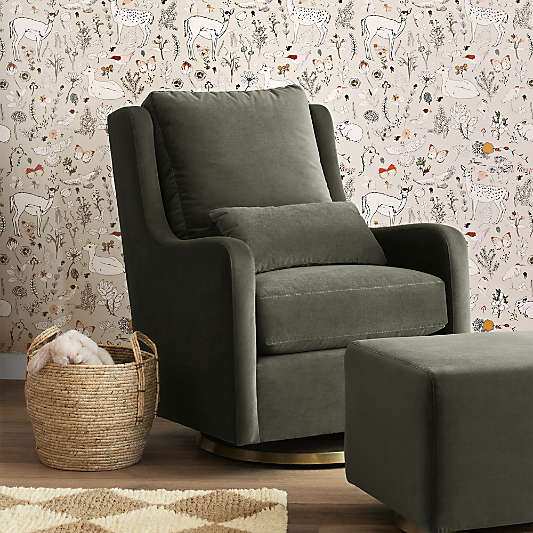
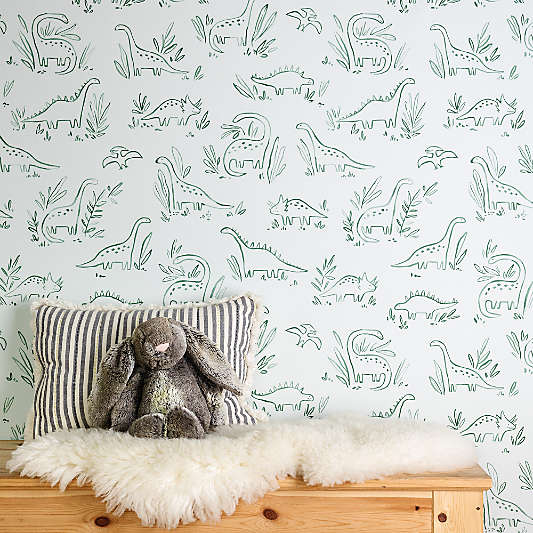
For a really cohesive look that feels balanced, pull one or two tones from the wallpaper into the bedding, rug or decor, then layer in solids and neutrals.
If the wallpaper is colorful or detailed, keep some of the larger pieces simpler, like storage furniture, curtains or bedding. If the room already has a patterned rug or bedding, a smaller-scale or more tonal wallpaper can bring in another layer without making the space feel busy.
think beyond the four walls
In a small bedroom or play area, wallpapering the ceiling can bring in pattern without taking up visual space at eye level.
Closet interiors, dormers and reading nooks are another opportunity to have a little more fun. A playful print can turn an overlooked corner into a cozy destination for books, toys or imaginative play.
-
Bring Your Ideas to Design Desk
Not sure which wallpaper will work with the room you already have? Ask our expert designers at the Design Desk—our 100% free interior design service! Our designers can help you find the right pattern and think through color, scale, furniture and decor to create a kids room that feels pulled together now, with room to grow.
-
How to Install Kids & Baby Wallpaper
Whether wallpaper installation is a DIY project or one for the pros depends on the material, pattern and complexity of the room.
Peel-and-stick wallpaper can be an approachable weekend project, especially for an accent wall or smaller area. Traditional pasted wallpaper takes more precision, particularly for a full-room installation or a design with a pattern that needs to align exactly.
For sloped ceilings, dormers, large-scale patterns, full-room wraps or walls with a lot of architectural detail, professional installation may be worth considering.
prep the walls first
A smooth, clean surface is, of course, easier for wallpaper installation. Fill holes, repair uneven areas and remove dust and debris before you begin. Textured walls may need to be smoothed or otherwise prepared depending on the wallpaper you choose.
Establish a straight starting line, remove outlet and switch covers and take your time with the first panel. If you get the first piece right, then everything else follows a lot more easily.
From a small reading nook to a nursery designed from the ground up, wallpaper gives kids rooms another layer of personality. Choose a pattern with room to grow, and the rest of the space can keep changing around it.